
Protein shakes have shot to fame as a staple in the fitness and health scene, but what are they exactly? At their core, protein shakes are beverages often made with a base of protein powder, which gets mixed with water, milk, or another liquid. These shakes are designed to supplement dietary protein intake, which might be quite handy for those aiming to boost their muscle mass or just fill in nutritional gaps.
There’s a whole world of protein shakes out there, each offering something different. Whey and casein are the big shots from animal sources, while plant-based options like pea, soy, and brown rice protein cater to the veggie crowd. Blended proteins mix a few different sources to give you a more comprehensive amino acid profile, which can be a good pick if you’re seeking variety and balance.
A protein shake’s nutritional punch mainly comes from its protein content, but it’s not all muscle-building magic. Carbs and fats also make their way into the mix, with variations depending on the type of shake you choose. You might come across shakes with extra goodies like vitamins, minerals, and other performance-enhancing ingredients, adding to their allure but also their complexity.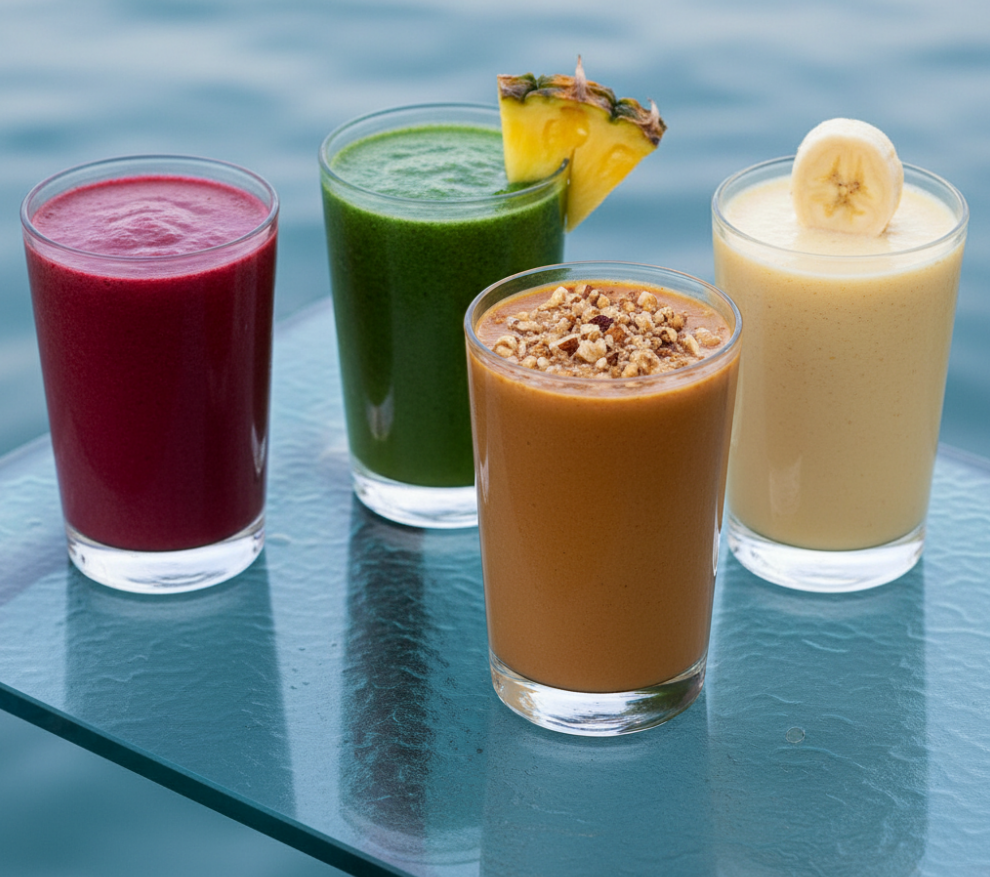 There’s this misconception floating around that protein shakes are just magical potions of health. While they’re helpful, they’re not a meal replacement or a cure-all. They can’t replace a well-rounded diet but can support it, especially for athletes and those with high protein needs. Knowing the real nutritional role of these shakes can steer you towards using them smartly and not falling for any myths and misunderstandings.
Nutritional Breakdown: What’s Inside Your Protein Shake?
Diving into your protein shake’s nutritional label can feel a bit like deciphering a secret code, but it’s worth the study. The macronutrients are your first stop. Proteins headline this list, offering anywhere from 15 to over 30 grams per serving, depending on your pick. Carbs make their cameo too, ranging from none up to a dozen grams, catering to those with varying energy needs. And then there are the fats, often kept low but present enough to add a bit of satiety.
Looking beyond the macros, there’s a smattering of micronutrients tucked in. Many protein shakes bring a dose of vitamins and minerals to the table. The usual suspects include calcium, which is crucial for bones, and iron, which is key for energy. Some shakes go the extra mile with added zinc, magnesium, and B vitamins, catering to more specific dietary needs.
But it’s not all sunshine and rainbows. Protein shakes might sneak in some additives that you’ll want to watch for. Artificial sweeteners, flavors, and thickeners can tag along, especially in flavored or ready-to-drink shakes. These aren’t a big deal for everyone, but if you’re looking to keep things natural, it’s something to keep an eye on.
The protein sources in shakes also deserve a shout-out. Animal-based proteins like whey and casein are complete proteins, meaning they have all the essential amino acids in full force, making them a powerhouse for post-workout shakes. On the plant side, options like soy, pea, and hemp are gaining ground. They might need a little blending to match animal proteins perfectly, but they do their job well for those avoiding dairy.
Exploring the Health Benefits: Why Choose Protein Shakes?
Protein shakes can do wonders for muscle growth and recovery. If you’re hitting the gym with heavy weights, your muscles undergo micro tears that need repairing to grow stronger. That’s where protein, the building block of muscle, comes in. By slurping down a protein shake post-workout, you’re giving your muscles a quick shot of what they need to start rebuilding.
Weight management is another arena where these shakes shine. They’re often touted for keeping hunger at bay due to their protein content. A well-timed shake can curb the temptation to snack between meals, making it easier to juggle calorie goals and resist those midday cravings.
How well the body absorbs and digests protein from shakes is another perk. They’re typically formulated for fast absorption—especially those that contain whey protein—making them ideal for quick digestion post-workout when your body craves the nutrients most. Plus, many people find liquid nutrition easier on the stomach after a grueling sweat session.
But while they offer benefits, it’s easy to trip up by relying too much on shakes. There’s a potential pitfall in using them as meal replacements, leading to nutrient gaps over time. Aim to complement them with real food to ensure you’re not missing out on other necessary nutrients and flavors. Moderation and balance are key to keeping things beneficial.
Tailoring Your Choice: Choosing the Right Protein Shake for Your Needs
Picking the right protein shake isn’t a one-size-fits-all deal. It starts with you—knowing what you need from your drink will guide your choice. Whether you want to bulk up, slim down, or just maintain your current state, there’s a shake designed just for you. Bulking up typically calls for higher protein and calorie shakes, whereas weight loss might mean low-cal, high-protein options.
Labels can be tricky, though, with endless claims shouting at you from every bottle. Look out for certifications like non-GMO, organic, or third-party tested for safety and quality assurance. A bit of label-savvy can prevent you from falling for marketing fluff and bring clarity to what’s in the package.
Special diets deserve special consideration. Vegans can look for plant-based options, while those with lactose intolerance might opt for lactose-free or hydrolyzed whey varieties. Allergy sufferers should always do a quick check for any hidden sources of gluten, soy, or nuts in their shakes.
Getting creative in the kitchen can provide a more personalized touch. Whipping up your own protein shake at home allows you to tweak the nutrients and flavors to fit your lifestyle perfectly. Blend in fruits, veggies, or nut butter to boost your shake’s nutritional profile and give it a taste that keeps you coming back for more.
Thank you for this comprehensive exploration, which goes beyond the simple craze for protein shakes and invites us to a more conscious reading.
I remember here that behind each sip there is an intention to support, complement, but never replace.
Proteins are not magic potions, but allies, provided they are integrated with lucidity, balance and respect for the body.
I also appreciate this invitation to read labels as one reads a text, with attention, discernment and critical sense.
The last note on culinary creativity is significant: personalize, adapt, transform so that nutrition also becomes an act of care and pleasure.
Thank you for this reminder which emphasizes the fact that in the area of health as in that of faith, it is not the product that saves, it is the way in which we use it.
Hello`, Lanicheclip. Thank you so much for your wonderful, inspiring comments. I agree with you 100%. All of my best to you, Firelava