
Protein shake diets have gained popularity as a convenient way to lose weight, build muscle, and maintain a healthy lifestyle. But what exactly is a protein shake diet? It’s essentially a meal plan that incorporates one or more shakes to substitute or complement traditional meals. The idea is to get a substantial amount of your protein and nutrients through these shakes, which can lead to potential benefits like faster meal prep and controlled calorie intake.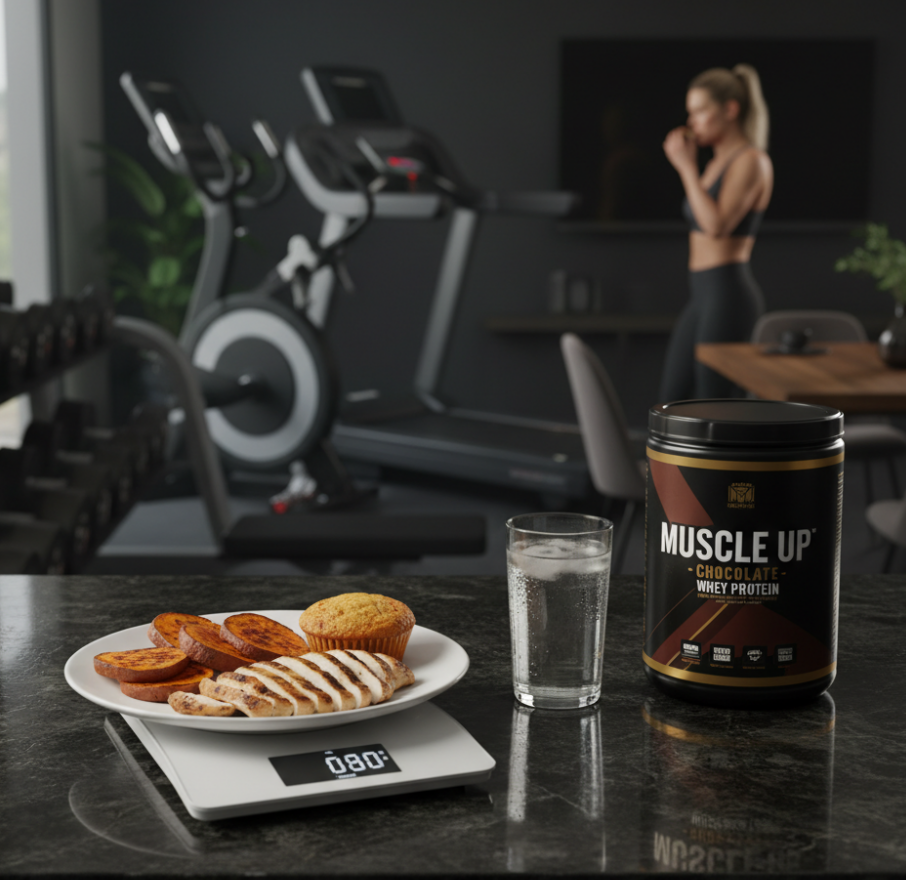 While the shakes are a central component, balance is key. It’s important to combine them with wholesome foods to make sure you’re getting all the essential nutrients. Think of the protein shake diet as a part of a broader diet plan instead of the whole story. Whole foods provide the variety and vitamins needed that shakes alone can’t offer.
Turning to the benefits, protein shakes are an excellent choice for weight loss and muscle retention. They’re packed with protein which can help you stay full longer, reducing the temptation to snack unnecessarily. For folks looking to bulk up, protein is essential for muscle repair after workouts.
However, keep an eye on potential pitfalls. Over-reliance on shakes may put you at risk of deficiencies in other nutrients unless you’re careful. It’s also easy to get carried away with what you mix into your shakes, which can lead to unintended calorie spikes. Plus, be mindful that not all shakes are created equal; some might be hiding extra sugars and additives.
Navigating this diet means understanding both the benefits and risks, and creating a version that fits your lifestyle and nutritional needs. Starting with a solid foundation can make this diet an effective tool for your health journey. Plus it’s good to remember that protein goes a long way at helping to get rid of fat stores, especially in places where you really need to lose them.
Choosing the Right Ingredients for Your Shakes
Crafting the perfect protein shake isn’t just about the protein; it’s about what else you toss in. Proteins come in many forms—whey, plant-based like pea or soy, or even casein. Each has its perks, so consider what aligns with your health goals and dietary needs. Are you looking for muscle gain or a vegan-friendly option? This determines your protein base.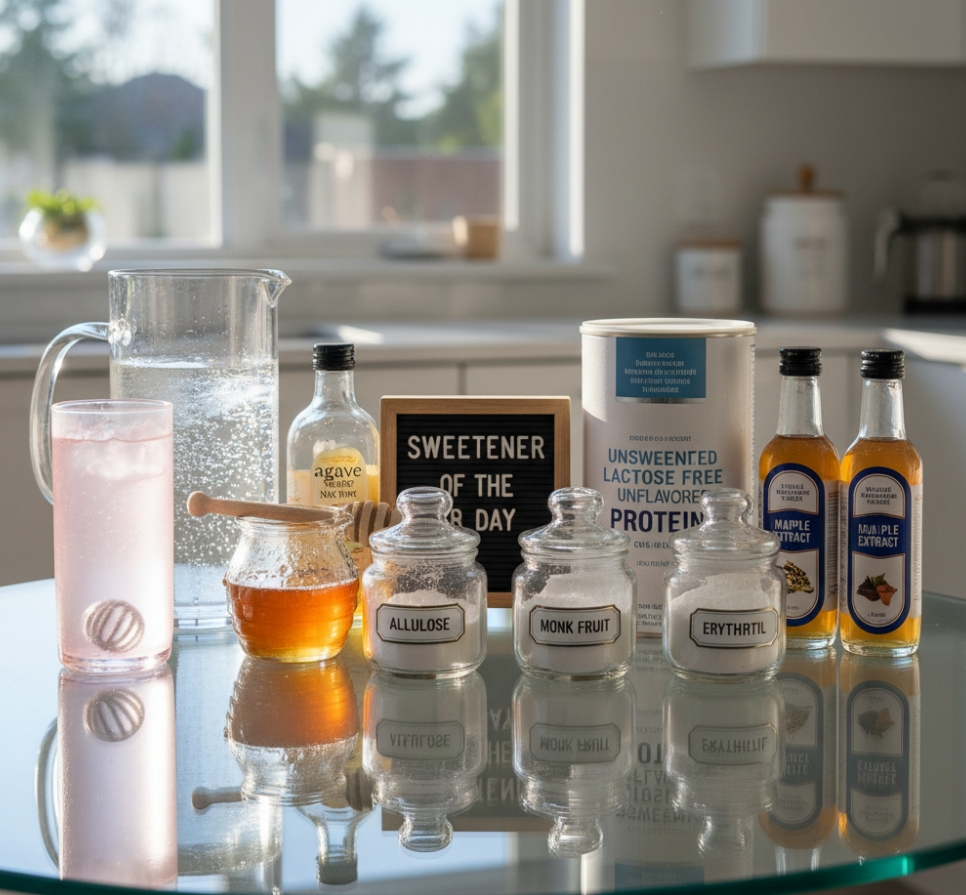 Now, let’s talk sweeteners. There’s more out there than just sugar—think stevia, honey, or even agave nectar. While sweeteners can add flavor, they can also mess with digestion or your wallet. It’s crucial to choose one that sits well with your belly and bank account.
Creating flavors doesn’t mean sacrificing health. Spices like cinnamon or vanilla extract can transform a bland shake into something you look forward to drinking. Just keep an eye on the salt content if you’re adding anything pre-made or seasoning blends.
Remember, it’s not just about finding ingredients that taste good but also those that fit well with your lifestyle and health goals. Health is personal, so listen to what your body likes.
Enhancing Your Shakes with Fruits and Vegetables
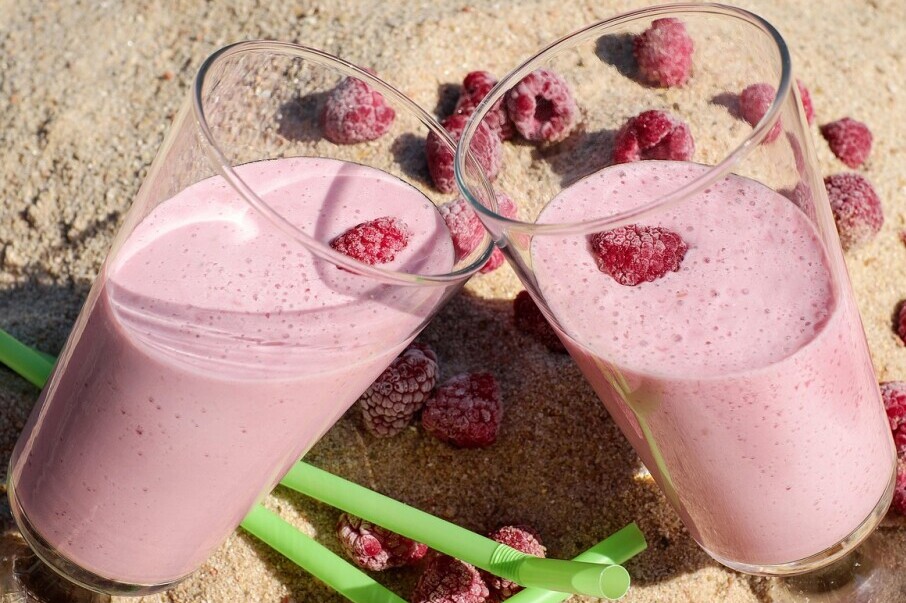
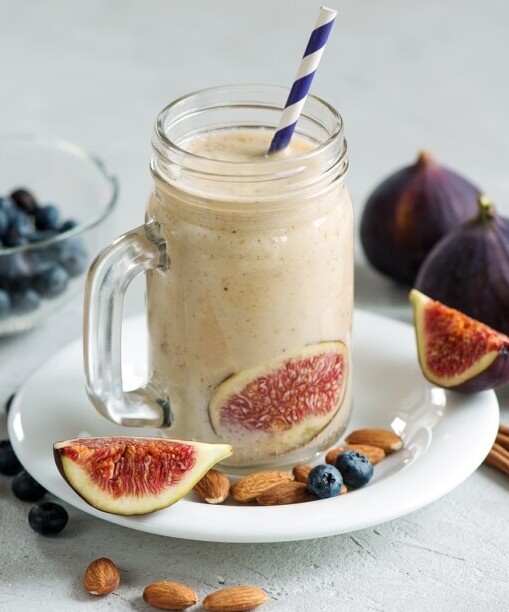
Fruits and vegetables aren’t just for your plate—they can power up your protein shakes, adding both flavor and a punch of nutrition. Not only do they make your drink taste better, but they also add essential nutrients that keep your body thriving.
Adding fruits to your shakes can be a bit of a balancing act. While fruits are packed with vitamins and natural sweetness, it’s easy to go overboard. Those natural sugars, even though they’re healthy, can stack up and potentially hinder weight loss goals if you’re not careful with portion sizes. Consider berries for their lower sugar content or a banana for a creamy boost.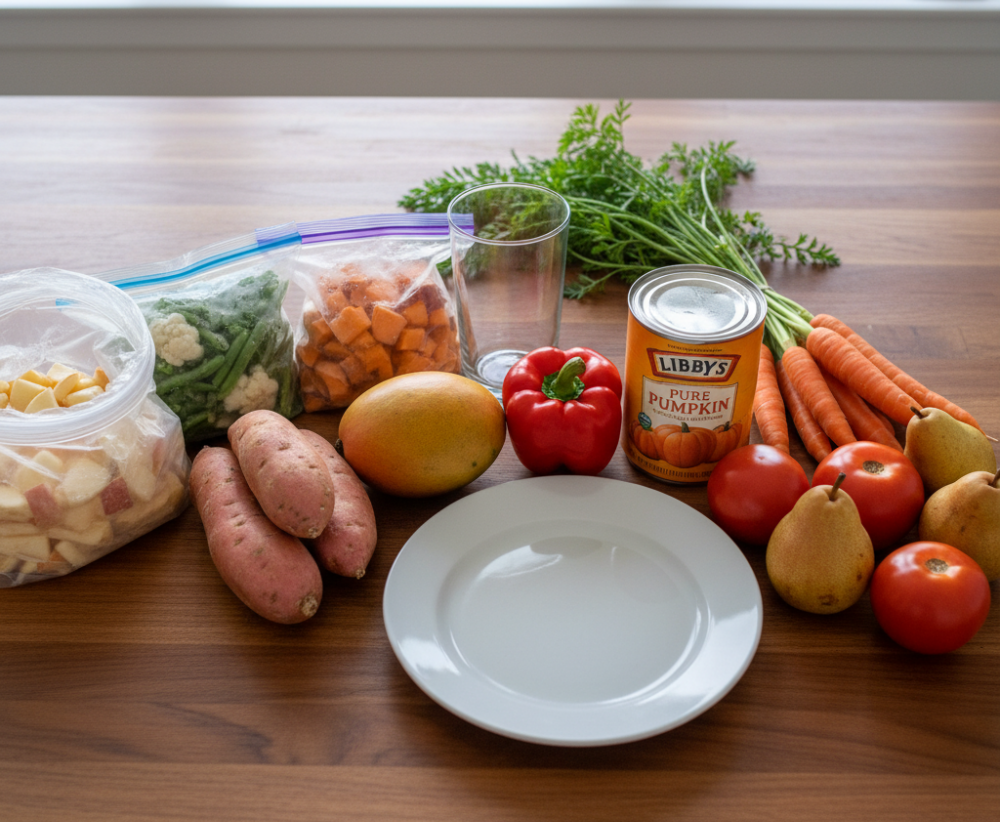 When it comes to veggies, think outside the salad bowl. Spinach and kale are sneaky options that blend right in without a strong taste, offering fiber and vitamins without the added sugars. If greens aren’t your thing, carrots and sweet potatoes can be pureed and add a hint of sweetness.
Balancing shakes with meals is key. You might choose to have a veggie-packed shake for lunch and save your big veggie intake for dinner. Mixing up your diet plan between liquid and solid meals can keep things interesting while ensuring you’re not missing out on crucial nutrients.
Jumping on the shake train doesn’t mean you skip traditional foods. Pair your protein shakes with regular meals to maintain variety and satisfaction. Shake diets are adaptable, so feel free to mix and match with fruits and veggies in a way that delights your taste buds and meets your nutritional needs.
Incorporating Protein Shakes into a Sustainable Lifestyle
Incorporating protein shakes into your lifestyle isn’t about flipping your routine upside down—it’s about finding a fit that works seamlessly with how you already live. Setting a routine where you enjoy one or two shakes a day can be your starting place.
Meal planning—whether you’re a prep-on-Sunday kind of person or more of a daily planner—ensures you don’t overdo it with the shakes. They should complement, not dominate, your diet. Listen to your body’s signals about hunger and fullness, what’s it asking for?
For some, mixing in intermittent fasting with shakes is the missing puzzle piece. It’s not everyone’s cup of tea, though. If the fasting routine doesn’t vibe with your energy levels, skip it. Many who find success with fasting just stumbled into it naturally, like discovering a love for Brussels sprouts later in life.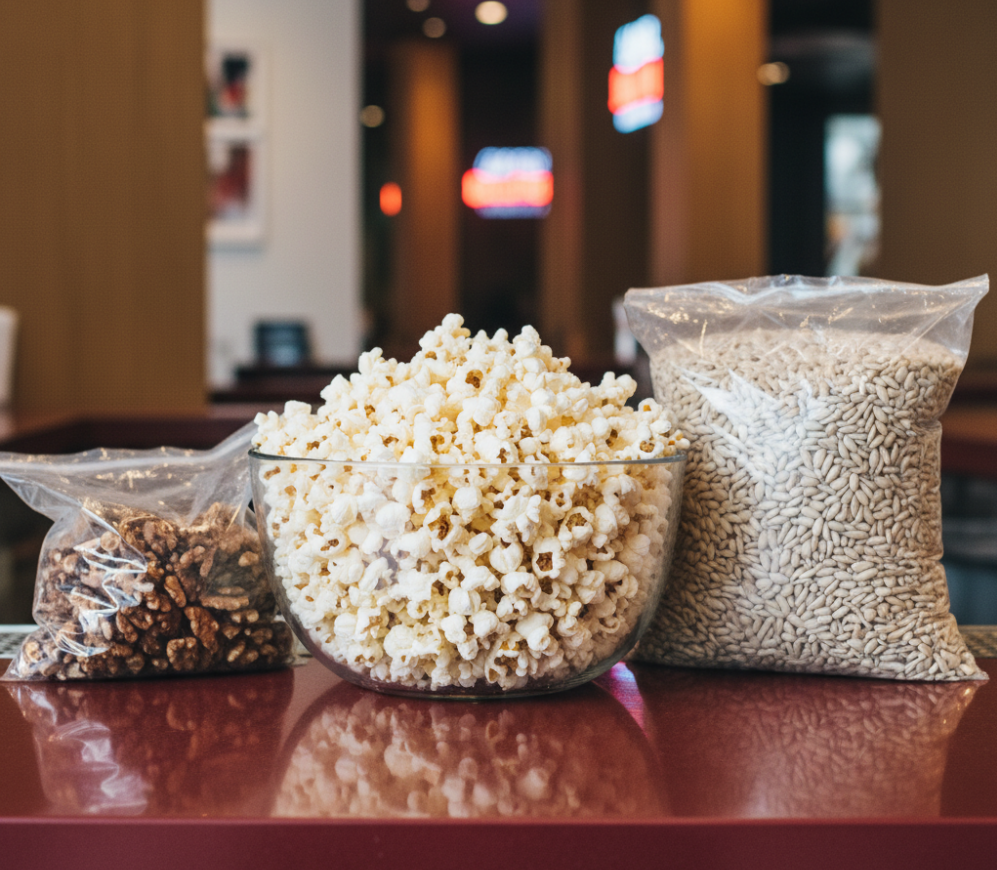 Moderation also means keeping a handle on evening snacks. Instead of derailing your day with chips or cookies, opt for choices that won’t leave you feeling guilty. Popcorn, sunflower seeds, or walnuts can satisfy a craving without undoing your progress. Can’t choose? Toss some of all three in a bowl and enjoy.
Finding a balance means personalizing your plan. This isn’t a one-size-fits-all journey. Pay attention to how you feel, what keeps you energized, and makes your skin glow. After all, the best diet is the one that you can stick to comfortably for the long haul.
Mixing Protein Shakes With Other Diet Methods
Protein shakes are pretty versatile, fitting neatly into a bunch of different diet plans. Take the keto diet, for example. When you’re keeping carbs low, protein shakes can help stack up those protein counts without sneaking in too many carbs. Just be sure to check the labels on your protein powder for hidden sugars.
For those sticking to a plant-based regimen like vegan or vegetarian diets, protein shakes are a goldmine. Plant-based proteins like pea or hemp can be your go-to options, filling in any nutritional gaps without leaning on animal products. Just ensure your shake recipes include a well-rounded array of nutrients.
Allergies? No worries. Whether it’s dairy, nuts, or gluten, there are plenty of allergy-friendly protein powders out there. Plus, making shakes at home means you avoid cross-contamination and control every ingredient. Check out allergen-specific shakes if the usual options don’t blend well with your diet.
Incorporating protein shakes doesn’t mean ditching your chosen eating style. Whether it’s paleo, Mediterranean, or something more unique, these shakes can complement the nutritional principles you follow. Pay attention to what feels right for you and what supports your energy and health the most.

This is such a clear and helpful guide for someone just starting out! I’ve been overwhelmed by all the options, but your breakdown of how to effectively use protein shakes in a diet makes it feel much more manageable. One question I’m still figuring out: For someone who works out in the evenings, is it better to have a shake before for energy or after for recovery? Thanks for the great info!
Hi,, Cian. Glad to hear you enjoyed it. Exercising in the evening means it’s best to take your protein after your workout. I’ve done that and I always felt better when I had my shake after because it seems to help work on the muscle repair and probably the growth as well. I found I was awfully sore the next day if I didn’t have my sake after I exercised the night before. And I’ve made the mistake of taking them before and my stomach I guess you could say declared war on me-I’ve learned over the years to listen to your stomach when it gets upset and pay attention to what caused it…and then stop doing that. If you need some energy before working out a small granola bar, small bowl of oats, slice of toast or a spoonful of any kind of nut butter or maybe even a banana or an apple would work just fine. Same for if you’re hungry, you just need a little something to tide you over-not a lot or a whole meal. And I hear you have around a 2 hour window after a workout where you should get 20-40g of a good quality protein of your choice. Unless you find yourself exercising really late, like just before bed, then it’s a good idea to make your protein casein because it digests slowly and it lets your muscles recover while you sleep. To replenish your glycogen level a bit of carbs with or in your protein shake can help with that. No need to be overwhelmed-took me years to be ale to say that…just relax and choose one that comes closest to your requirements and then tweak it to your personal desires on a day to day basis. You’ll like the diet more if you make it fun and enjoyable, and that’s when you’ll begin to look forward to your next great tasting shake! I call them ‘milkshakes’ but they’re not-I even make all of mine with plain tap water, but the illusion of NOT being on a diet makes me want another one. Call it a diet and I instantly feel deprived to the point where the next thing you know, I’m at the Dairy Queen buying a hot fudge shake for real when all the time I still think the protein shakes taste better. Go figure, guess it’s a mind game thing concerning a lifetime and decades of bland, terrible, starvation to just hedious diets. then I feel overwhelmed until I make myself a wonderfully thick, rich protein shake and then I’m about as calm as a person can get, and that makes me positive you’ll figure this out soon for yourself. Glad I could help. So all of my best to you. Firelava