
So, what exactly is the keto diet? Picture this: shifting your eating habits to mainly focus on low carbs and high fats. It’s like flipping the standard diet script completely. By doing this, the body enters a state called ketosis, where it starts burning fat for fuel instead of glucose. Sounds interesting, right?
Okay, let’s get to the nitty-gritty. The science behind keto is pretty fascinating. When you’re on this low-carb journey, your liver converts fat into ketones, which become your energy source. This metabolic state not only helps in weight loss but also provides a steady flow of energy. No more sugar crashes or energy slumps after meals!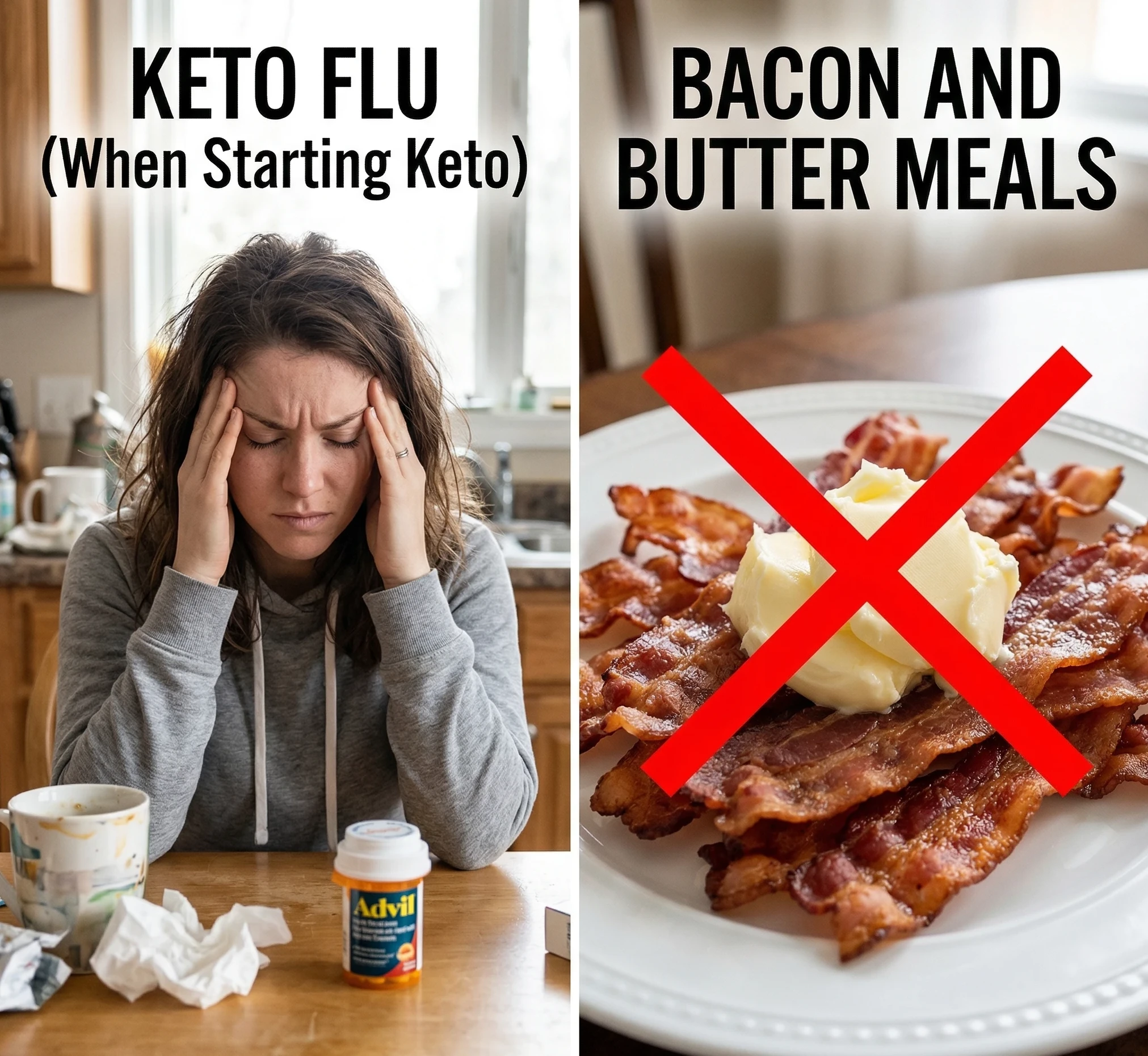 But, hold on, before jumping on the keto wagon, it’s good to weigh the pros and cons. On the plus side, aside from weight loss, many people experience improved mental clarity and energy levels. However, the transition period, often called the ‘keto flu’, can be a bit of a drag, causing headaches, fatigue, and irritability.
Despite its buzz, some misconceptions about the keto diet still float around. One popular myth is that it’s only about eating bacon and butter all day. In reality, it’s about making smart and balanced choices within its framework. Then there’s the worry about cholesterol and heart disease; while some studies suggest an improvement in heart risk factors, it’s crucial to consult with a healthcare provider to know how keto works for you.
Role of Protein in a Keto Diet
Protein is like the unsung hero in a keto diet. You can’t just ignore it while chasing those fat-rich foods. Protein helps in building and repairing tissues, keeping your muscles strong and healthy, which is crucial when carbohydrates take a back seat in your meals.
Finding the balance between carbs, fats, and proteins is key if you’re aiming to reach ketosis and sustain it. Having too little protein can mess with your goals, while too much can kick you out of ketosis as your body might convert excess protein into glucose. Yep, there’s a sweet spot!
What about the best sources of protein for keto? Think fatty fish like salmon, eggs, and meat. They not only pack a protein punch but also fit the keto profile nicely. Then there are plant-based options like tofu and tempeh for those who prefer them.
On keto, protein does a double duty. It maintains muscle while helping keep hunger at bay. But don’t let that lead to overdoing it, as it can impact ketosis. When planning your meals, remembering how protein fits into your macros can save you from dietary hiccups.
Protein Shakes: Complementing the Keto Diet
Protein shakes can be a game-changer when you’re on a keto journey. They offer a convenient way to boost your protein intake, especially when you’re on the go or looking to mix up your meals.
Choosing the right protein shake isn’t just about grabbing the first canister you see. You want something low-carb, ideally with no added sugars. Look out for options made with whey or collagen protein, as they tend to mix well with keto guidelines.
Maybe you’re wondering what’s out there. There are some great keto-friendly protein powders available, like those using stevia for sweetness instead of sugar. Check out brands that truly stick to the keto basics without sneaky carb or sugar additions.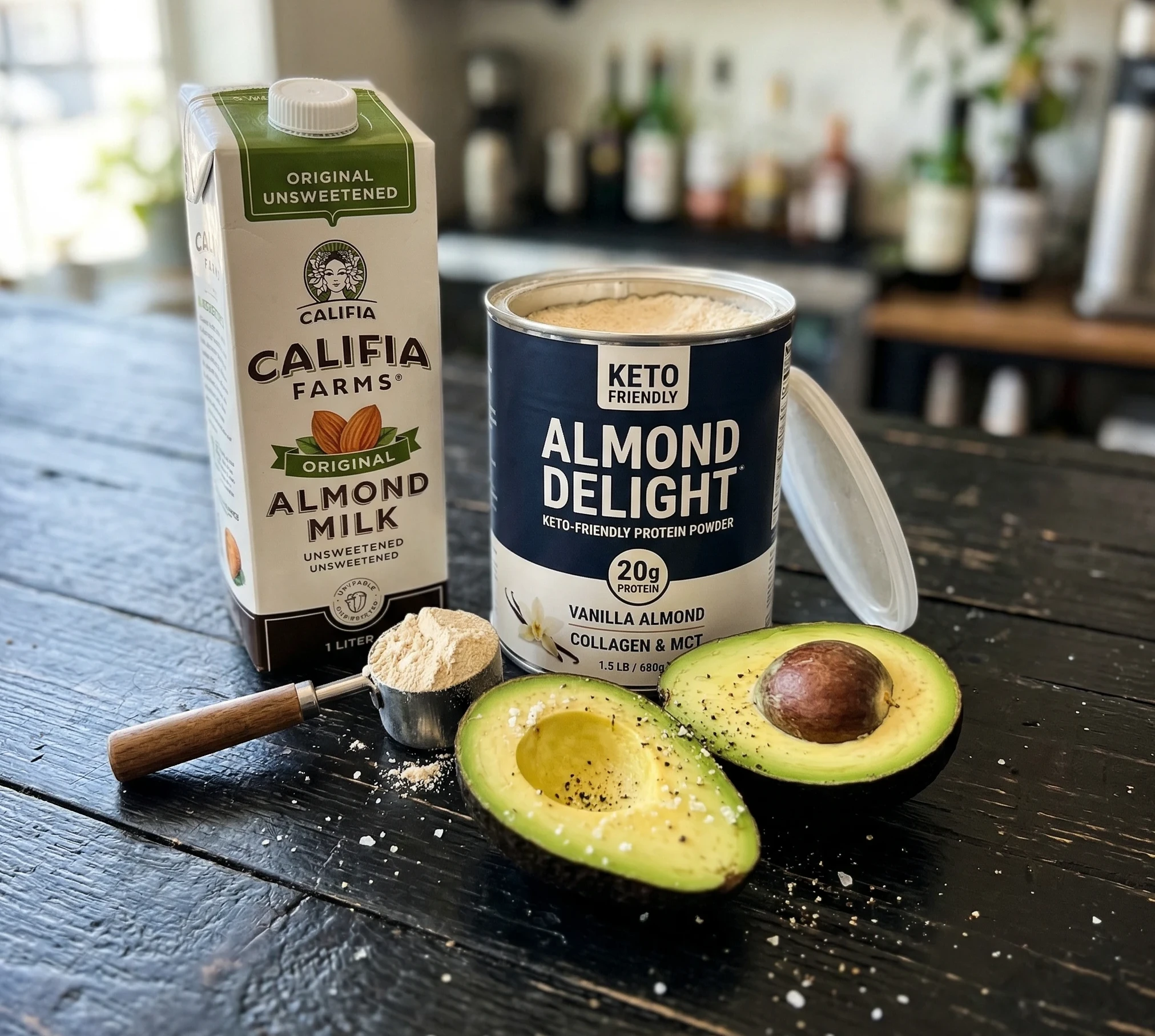 Who says you need store-bought when DIY is on the table? Simple recipes with almond milk, avocado, and a shot of your favorite keto-friendly protein powder can make for a delicious shake that’s totally on plan.
Timing matters. Protein shakes can be a great post-workout option to help with recovery and maintain those muscles. But remember, they shouldn’t replace whole food meals altogether. Keep them as a supplement, not the center of your diet.
Potential Risks and Considerations when Combining Keto with Protein Shakes
Keeping hidden sugars and carbs at bay in protein shakes is crucial. Some products claim to be keto-friendly but sneak in ingredients that might throw off your macros. Always double-check the label to dodge any unwanted carbs.
Excessive protein intake can be a risky path while on keto. Overdoing it might push your body out of ketosis since extra protein can turn into glucose. It’s about getting that balance right—adequate but not overboard.
Everyone’s body is different, which means individualized dietary advice goes a long way. Consulting with healthcare professionals can personalize your keto journey, ensuring it aligns with your health needs and goals.
Some might face challenges like digestive issues or allergies when mixing keto with protein shakes. Paying attention to how your body reacts and adjusting accordingly can prevent discomfort and keep you on track safely.
I enjoyed reading this article because it clearly explains how protein shakes can fit into a ketogenic diet when they are used properly. I have experimented with keto off and on for a while, and one of the biggest challenges I faced was finding convenient options that still fit the low-carb, high-fat structure of the diet. Protein shakes helped solve that problem for me, especially on busy mornings when preparing a full keto meal was not practical.
One point the article highlights well is that not all protein shakes are suitable for keto. Many traditional shakes are high in protein but also contain hidden sugars or carbohydrates, which can easily push you past the daily carb limit needed to stay in ketosis. A proper keto shake should keep carbohydrates extremely low while balancing protein with healthy fats like MCT oil or coconut oil so that it aligns with typical keto macronutrient ratios.
From personal experience, I have found that keto-friendly shakes can be very useful as an occasional meal replacement or post-workout option. They make it easier to stay consistent with macros and can help reduce the temptation to grab high-carb convenience foods. However, I also learned that moderation is important. Too much protein or shakes with hidden ingredients can disrupt ketosis or slow weight loss progress if the overall calorie intake becomes too high.
Overall, this post does a great job explaining both the advantages and the considerations of combining protein shakes with a ketogenic diet. When used carefully and with the right ingredients, they can be a convenient tool for people trying to maintain ketosis while still meeting their daily protein needs.
Hi, Anthony. So glad you enjoyed the article and I hope you found it useful. There’s a protein out there for pretty much everybody these days but there are also ones with hidden ingredients you don’t want. If you do your label reading you can avoid the things you don’t want and find some really good protein shakes with all the right stuff you’re looking for. But we can all make mistakes even then. About 11 years ago I was looking in a store at protein, found a really good one I liked alot but I accidently picked up the one beside it when I got ready to go and ended up with one for weight gain instead of weight loss. And they looked exactly alike-same colors on the can, same price but not the same kind of protein. I wanted whey with no sugar and few if any carbs, what I got was soy with sugar and lots of carbs. After five days of nasty tasting shakes, I oculdn’t figure out why I’d gained 3 pounds-I had the kind of protein to lose, didn’t I? And that’s when I finally checked it out and discovered what had happened. Opened and used, I couldn’t take it back so I was out $64. And that was a cheap one at the time. Let me tell you, I made sure I never made that mistake again though it had been way too eady to do.I ended up back at that store to check out what I’d done upclose and the companies names were very similar, just like the colors on the can, even their logos looked way too much alike. I didn’t buy any more there. You’ve got to really be dilligent at times and pay close attention to everything. Just take your time, read…read…read. And it usually turns out ok. All my best to you, FireLava