
Kids are like sponges—they absorb everything, including habits around eating. This makes portion awareness a big deal in setting them up for healthy living. Knowing how much to eat isn’t just about keeping that waistline in check; it’s about fueling their growth and giving them the energy to learn and play.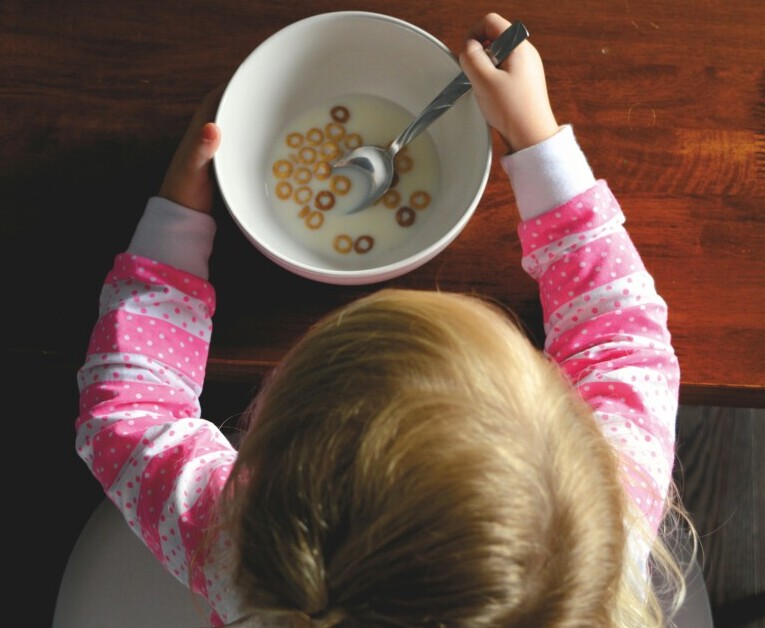
When kids don’t learn to gauge portions, it can lead to bigger problems like obesity. Extra weight in childhood often means a higher chance of health issues down the line, not to mention it can affect their confidence and social life. Teaching kids portion control can steer them away from these pitfalls.
Portion awareness is like a secret weapon in ensuring a balanced diet. Kids who get the hang of it are more likely to eat a variety of foods in the right amounts. This means more nutrition and less of the bad stuff that can cause problems, both now and later in life.
The Role of Technology in Promoting Healthy Eating Habits
Modern technology is a game changer when it comes to teaching kids about healthy eating. Apps and digital tools make learning about good food choices interactive and fun. Instead of just telling kids what to eat, these apps show them how to make smart choices each day.
Kids love gadgets, and leveraging their tech-savvy nature to promote healthy habits is genius. With apps that visualize portion sizes and offer nutrition facts in a kid-friendly way, understanding the right food amounts becomes less of a chore and more of an exciting adventure. It’s a way to blend learning with everyday fun.
Moreover, the digital age has transformed the way nutrition education is delivered. These tools provide a personalized experience, adapting to a child’s unique eating habits and helping them track what they eat. This empowers kids to make better choices independently, fostering a sense of responsibility over their meals.
Through engaging activities and interactive challenges, these apps can cheer kids on as they hit nutritional goals and explore new foods. Technology can make portion awareness an integral part of their routine without constant adult intervention, building lifelong skills leading to healthier living.
Top Children’s Nutrition Apps for Portion Control and Awareness
Navigating the crowded world of children’s nutrition apps can feel a bit overwhelming, but there are some true standouts that make portion awareness accessible and fun for kids. These apps are designed to get children engaged in learning about food portions, making healthy eating habits a natural part of their lives.
Some of the top apps out there focus on visually demonstrating portion sizes, turning meal times into an interactive learning experience. Features like gamified food diaries and virtual plate color coding help kids grasp the concept of a balanced diet. It’s like having a nutrition class right on their tablets or phones.
Choosing an app often comes down to its interface. Kids need something that’s not only educational but also visually appealing and straightforward. Many leading apps use bright colors, animated characters, and interactive elements to keep kids interested and invested in learning about new foods.
Comparing apps helps evaluate which one best suits each child’s learning style and interests. Some are perfect for kids who love games, while others might appeal more to those who enjoy challenges and quizzes. Selecting the best fit can maximize their engagement and ensure that the lessons stick.
These nutrition apps also often provide content tailored to different age groups, making it easier for parents to find the right match as their child grows. This flexibility allows for a seamless transition to more advanced concepts of nutrition and food awareness as the kids mature.
Assessing the Long-term Benefits of Portion Awareness Apps
Long-term benefits of using these apps are plentiful, especially when kids start building healthy eating habits early. With consistent use, children can develop a sharper understanding of portion sizes, gradually making smart food choices instinctively without the need for constant reminders from parents.
Families who’ve made these apps part of their routine often report noticeable improvements in their children’s eating habits. Many parents share stories of kids becoming more adventurous eaters, willing to try new foods, and understanding the need for a balanced plate, which makes meal times less of a battle and more a time of discovery.
Beyond anecdotal success, regular interaction with these apps helps foster a positive relationship with food among children. They learn to recognize when they’re full, choose appropriate portion sizes, and, most importantly, appreciate the importance of different food groups, which sets a foundation for lifelong health.
Technology isn’t going away, and its role in nutrition education will only grow. As these apps evolve, we might see even more personalized features and integrations with other health and wellness tools, making it easier for families to keep track of their nutritional goals and ensure healthy eating habits are maintained as children grow.
This is such a thoughtful and important post! Teaching kids about portion awareness early is crucial for setting up healthy habits that will last a lifetime. I love how you highlighted that it’s not just about preventing obesity, but also about fueling growth and encouraging confidence. Using technology to make learning fun is brilliant—kids naturally gravitate toward interactive tools, so why not use that to promote better nutrition? The apps you mentioned sound amazing, especially those that make portion control visual and gamified. It’s wonderful to see tech being used for such a positive purpose, helping children understand balanced eating in an engaging way. I also appreciate how you touched on the long-term benefits. Developing a healthy relationship with food early on can truly change the course of a child’s life. Thanks for sharing such helpful information—this post is a great resource for parents looking to support their kids’ health in today’s digital world!
Hello, andrejs. Thank you for the comments-I wasn’t sure if I should do the post or not but I thought if it helps just one, it’s worth it. It’s really good to hear I chose right to do it. And kids are going to use those tech items, no reason they can’t learn a thing or two while they’re playing around with them. Games can be very educational and they’re fun-what kid doesn’t love playing games and having fun? I know I did. Just hope it helps out to consider such things. Every little bit helps. Hope to keep doing more articles you might like. All my best to you. FireLava