
Protein supplements might seem like a mystery wrapped in a riddle, but they’re pretty straightforward once you get the basics down. Think of these as a quick and convenient way to get the protein your body craves, especially when you’re pushing the limits with physical activity.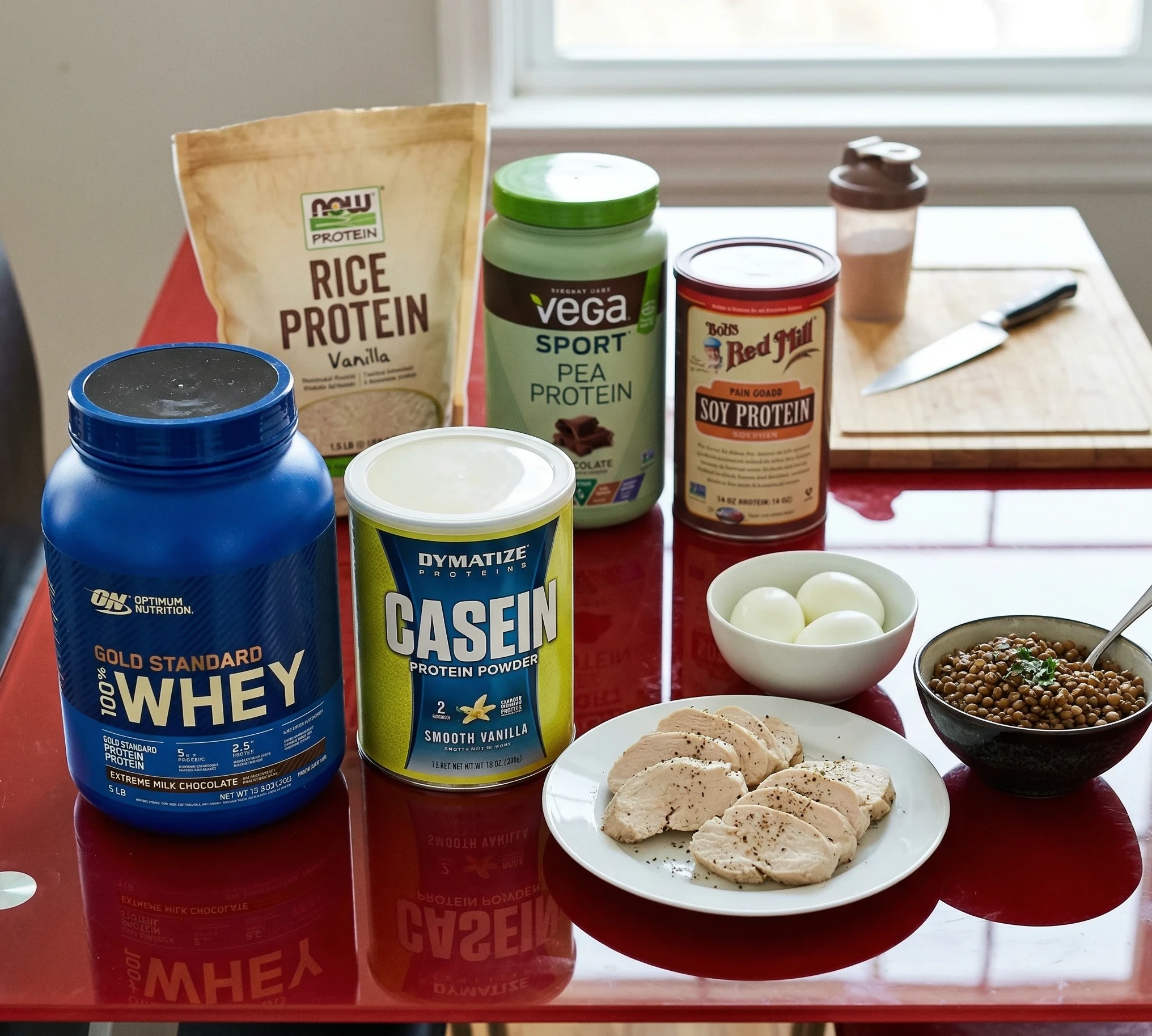 There are a few superstar types you’ll hear about all the time. Whey and casein, both from milk, are protein kings in many athletes’ cabinets. Then there’s plant-based options like soy, pea, or rice proteins for those who prefer to skip the dairy. Each type has its own perks and quirks, so finding what jives with your body and your goals is key.
Now, before chasing those shiny supplement tubs, remember that good ol’ natural sources like chicken, eggs, and lentils are still protein powerhouses. Supplements are like the cherry on top, not the cake itself. It’s all about balance, blending your diet with these boosters in a way that supports your lifestyle.
With supplements, separating fact from fiction can feel like wading through a swamp. Ever heard the myth that protein powders bulk you up overnight? Or that they’re only for hardcore bodybuilders? Not true. These aren’t magic potions; they’re simply tools that support your muscles and recovery when used right. Understanding what they actually do helps you make smarter choices.
Benefits and Drawbacks: Navigating the Protein Labyrinth
Protein supplements aren’t a one-size-fits-all kind of thing. They’ve got some sweet benefits if you’re into sports or intense workouts. For starters, these supplements can help speed up muscle recovery and support muscle growth. If you’re hammering away at the gym, getting that extra protein can keep you on track, reducing post-workout soreness and boosting your ability to gain lean muscle.
However, it’s not all sunshine and rainbows. Just like anything, there’s some drawbacks you might run into. Some people face side effects like stomach cramps or digestive issues, especially with whey. Allergies can put a damper on things too, so it’s important to know your body and any sensitivities you might have.
Choosing the right protein type can also make a big difference. Whey protein is great after workouts because it digests quickly. Casein, on the other hand, slowly releases amino acids which is perfect overnight when your body is repairing itself. For plant-based folks, proteins like pea or hemp can be super effective too, though they often need mixing to make a complete protein profile.
Insights from the pros can be eye-opening. Nutritionists and seasoned athletes often share handy tips on how to integrate these into your diet without overdoing it. Listening to experienced voices can guide you towards using supplements smartly, enhancing your performance while avoiding pitfalls.
Incorporating Protein Supplements Into Your Regimen Finding the right protein supplement can be a game-changer, but it’s not just about scooping powder into a shaker. It starts with figuring out how much protein you really need. This varies based on your workout intensity, body goals, and even your daily hustle. Runners might need something different than bodybuilders, so personalizing your intake is crucial.
Blending supplements into a well-rounded diet keeps things balanced. These shouldn’t replace whole foods but complement them. Think of protein supplements as a handy backup to ensure you’re meeting your nutritional needs when whole-food options aren’t available.
Timing matters too. Many swear by taking protein post-workout to aid muscle repair, but sipping on it before exercising or even before bed can also offer benefits depending on your training style and schedule. Experiment to see what aligns with your body’s rhythm.
Common mistakes include relying solely on supplements or doubling up thinking more is better. It’s easy to get caught up in the hype and forget about the basics of nutrition. Sticking to recommended doses and understanding that protein is just one part of your nutritional puzzle is a solid approach to staying on track.
Choosing The Right Protein Supplement: A Personalized Approach
Picking a protein supplement isn’t just about grabbing the coolest-looking container on the shelf. It starts with understanding your own goals. Are you aiming to pack on muscle, enhance endurance, or simply maintain your current fitness level? Knowing what you want to achieve helps narrow down your options.
Your dietary preferences play a big role too. Whether you’re vegan, lactose intolerant, or have other dietary considerations, there’s a protein type that’ll fit just right. Plant-based proteins are perfect for the dairy-averse crowd, while blends can offer a more complete amino acid profile.
When it comes to picking a brand, quality is king. Look for products with transparency in their labeling and ingredients. Certifications and third-party testing aren’t just buzzwords—they’re assurances that what’s in the tub is legit and safe. Don’t let flashy packaging or suspect claims lead you astray.
Marketing gimmicks are everywhere, making it tough to choose sometimes. If it sounds too good to be true, it probably is. Stick to established brands with good reputations and avoid falling for the hype of miracle products. By keeping these tips in mind, you can find a supplement that aligns with your lifestyle and helps you reach your fitness goals without any extra drama.